
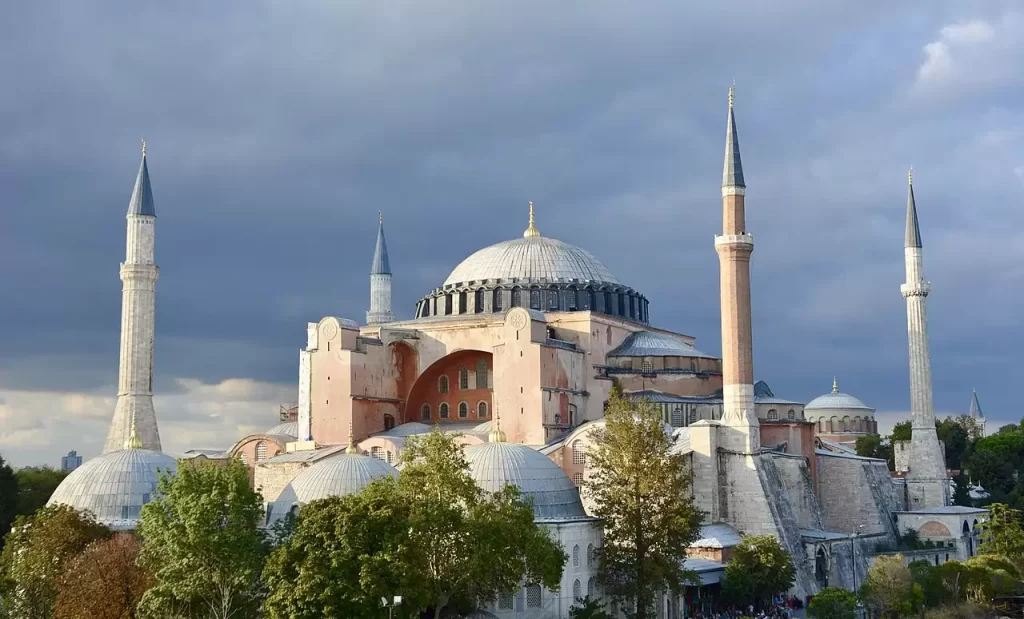
A Detailed Guide to Hagia Sophia: Unveiling Istanbul’s Iconic Masterpiece
Hagia Sophia stands as a breathtaking testament to centuries of history, faith, and architectural brilliance in Istanbul. This iconic structure has served as a cathedral, a mosque, and a museum, now functioning as a mosque once more. Understanding its profound significance enriches any visit. This comprehensive article provides A detailed guide to Hagia Sophia, ensuring you make the most of your journey into its storied past.
From its imposing dome to its intricate mosaics, every corner tells a story. Planning your trip effectively allows for a deeper appreciation of this world wonder. Therefore, this guide covers everything from historical context to practical visitor tips. We aim to equip you with all necessary information for an enriching experience.
A Brief History of Hagia Sophia
Originally consecrated as a Christian basilica in 537 CE, Hagia Sophia was the world’s largest interior space and among the first to employ a fully pendentive dome. Emperor Justinian I oversaw its construction, marking a pinnacle of Byzantine architecture. For nearly a millennium, it served as the seat of the Ecumenical Patriarch of Constantinople.
In 1453, following the Ottoman conquest of Constantinople, Sultan Mehmed II converted Hagia Sophia into a mosque. Minarets were added, and Christian iconography was covered, reflecting its new religious identity. Subsequently, it became a museum in 1934 under Mustafa Kemal Atatürk, symbolizing a secular Turkish republic. Most recently, in 2020, it reverted to its status as a mosque.
Architectural Significance
Hagia Sophia’s architecture represents a groundbreaking fusion of Roman engineering and Byzantine artistry. Its massive dome, seemingly floating above the central nave, was an unprecedented feat for its time. Furthermore, the innovative use of pendentives allowed for the construction of such a vast, unsupported ceiling. The building’s structural integrity has withstood numerous earthquakes, a testament to its brilliant design.
The interior design masterfully combines elements from both its Christian and Islamic periods. You will find remnants of stunning Christian mosaics alongside grand Islamic calligraphy. This unique blend creates a truly distinctive aesthetic. The sheer scale and intricate details captivate every visitor.
Spiritual Importance
Throughout its existence, Hagia Sophia has held immense spiritual significance for millions. As a church, it was the primary cathedral of the Eastern Orthodox Church, witnessing coronations and significant religious ceremonies. Its conversion to a mosque established it as a pivotal place of worship for Muslims in the Ottoman Empire.
Today, as an active mosque, it continues to serve as a sacred space. Visitors are encouraged to observe the decorum appropriate for a place of worship. This reverence for its spiritual role is paramount. Understanding its evolving spiritual identity enhances your overall appreciation.
Planning Your Visit: Essential Tips for Hagia Sophia
Visiting Hagia Sophia requires some preparation to ensure a smooth and respectful experience. Knowing the best times to go and understanding entry requirements can significantly improve your trip. This section offers practical advice for navigating this iconic site effectively. Following these tips will help you maximize your time and enjoyment.
Best Time to Visit
To avoid the largest crowds, consider visiting Hagia Sophia early in the morning, shortly after opening, or late in the afternoon. Weekdays generally offer a more relaxed experience than weekends. Additionally, visiting during the shoulder seasons (spring and autumn) provides pleasant weather and fewer tourists than the peak summer months. However, expect crowds regardless of the season due to its immense popularity.
Prayer times can impact visitor access, as the main prayer hall may be restricted during these periods. Checking the current prayer schedule before your visit is advisable. You can often find this information online or near the entrance. Planning around these times ensures full access to all accessible areas.
Dress Code and Entry Requirements
As an active mosque, Hagia Sophia enforces a strict dress code for all visitors. Women must cover their heads with a scarf, and both men and women should wear clothing that covers their shoulders and knees. Scarves are typically available for purchase or loan at the entrance if you forget yours. Removing your shoes before entering the prayer areas is also mandatory.
There is no entrance fee to Hagia Sophia as of its re-conversion to a mosque. However, be prepared for security checks upon entry. Large bags might need to be checked. Therefore, travel light to expedite your entry process. Respecting these rules is crucial for a harmonious visit.
Navigating the Site
Hagia Sophia is a vast structure, but its main accessible areas are straightforward to navigate. The ground floor houses the main prayer hall, where you can admire the grand dome and intricate details. An upper gallery provides a different perspective of the interior, offering stunning views of the mosaics and overall scale. Access to the upper gallery is typically via a ramp, which can be quite steep.
Signage within the building is generally clear, guiding visitors through the various sections. Consider downloading an audio guide or using a reputable travel guide like Colina Rojo Travel for self-guided exploration. This allows you to delve deeper into the history and significance of specific features at your own pace. Allow at least 1-2 hours to fully explore the site without feeling rushed.
Unveiling the Masterpiece: What to See Inside Hagia Sophia
The interior of Hagia Sophia is a visual feast, showcasing layers of history and artistry. From its colossal dome to its delicate mosaics, every element contributes to its grandeur. Knowing what to look for enhances your appreciation of this architectural marvel. Prepare to be awestruck by the sheer scale and beauty.
The Grand Dome and Nave
The central dome of Hagia Sophia is its most iconic feature, soaring 55 meters (180 feet) above the ground. Its vastness creates an immense sense of space and light. Below the dome, the expansive nave was once the main gathering area, now serving as the primary prayer hall. Look up to appreciate the intricate patterns and the sense of weightlessness the dome conveys. This engineering marvel has inspired countless architects throughout history. The interplay of light filtering through the windows is particularly captivating.
Mosaics and Calligraphy
Hagia Sophia is renowned for its stunning Byzantine mosaics, many of which date back to its church period. While some were plastered over during its time as a mosque, several significant examples remain, particularly in the upper galleries. Seek out the Deësis mosaic, depicting Christ Pantocrator with the Virgin Mary and John the Baptist, known for its emotional depth. Additionally, observe the grand calligraphic roundels, added during the Ottoman era. These feature the names of Allah, Prophet Muhammad, and the first four caliphs. This juxtaposition of Christian and Islamic art is truly unique.
Notable Features
Beyond the dome and mosaics, several other features deserve attention. The “Weeping Column,” located in the northwest part of the nave, is believed to have healing powers; visitors often touch it. The Imperial Gate, historically reserved for the emperor, features a mosaic of Christ Pantocrator above it. Furthermore, explore the Sultan’s Lodge, a screened area where sultans would pray. The marble jars, brought from Pergamon, also stand as impressive decorative elements. Each feature tells a part of Hagia Sophia’s complex story.
Beyond the Walls: Nearby Attractions and Experiences
Hagia Sophia is situated in the heart of Istanbul’s historic Sultanahmet district, surrounded by a wealth of other significant landmarks. Your visit to this area can easily extend into a full day or more of exploration. Discovering these nearby attractions provides a broader context for Istanbul’s rich history. Consider making a full itinerary for this vibrant neighborhood.
Exploring Sultanahmet Square
Sultanahmet Square, also known as the Hippodrome of Constantinople, sits directly in front of Hagia Sophia. This ancient Roman chariot race track was once the center of Byzantine public life. Today, it’s a beautiful public space adorned with several impressive monuments. Look for the Egyptian Obelisk, brought from Luxor, and the Serpent Column, from the Temple of Apollo at Delphi. The German Fountain, a gift from Emperor Wilhelm II, is another notable landmark. Strolling through the square offers a moment of reflection amidst historical grandeur.
Topkapi Palace and Blue Mosque
Just a short walk from Hagia Sophia are two other must-see attractions. The Blue Mosque (Sultan Ahmed Mosque) is an architectural rival, famous for its six minarets and stunning blue Iznik tiles. Its interior is equally captivating, offering a stark contrast and complement to Hagia Sophia’s design. Across the park, Topkapi Palace was the primary residence of the Ottoman sultans for nearly 400 years. Explore its opulent courtyards, treasury, and Harem section to glimpse the imperial lifestyle. These sites are easily visitable in conjunction with Hagia Sophia.
Local Dining and Shopping
The Sultanahmet area also offers numerous opportunities for authentic Turkish dining and souvenir shopping. Enjoy traditional Turkish cuisine at local restaurants, from kebabs to mezes. Many establishments boast rooftop terraces with stunning views of Hagia Sophia and the Bosphorus. Additionally, explore the Grand Bazaar and Spice Bazaar, both within reasonable walking distance or a short tram ride. These bustling markets offer everything from textiles and ceramics to spices and Turkish delight. A visit to these markets provides a vibrant sensory experience.
Making the Most of Your Trip: A Detailed Guide to Hagia Sophia Experience
To truly immerse yourself in the grandeur of Hagia Sophia, consider how you approach your visit. Whether you prefer a guided tour or self-exploration, a little planning goes a long way. This final section provides practical advice for enhancing your overall experience. Utilize these tips to ensure a memorable journey through this historic marvel, making this A detailed guide to Hagia Sophia truly complete.
Guided Tours vs. Self-Exploration
Deciding between a guided tour and self-exploration depends on your personal preference. A knowledgeable local guide can offer invaluable insights into the history, symbolism, and hidden details of Hagia Sophia. They can bring the stories to life, answering questions and providing context that might be missed otherwise. Many reputable tour operators offer small group or private tours. Alternatively, if you prefer to explore at your own pace, a good guidebook or an audio guide app can be an excellent companion. This allows for flexibility and deeper dives into areas of particular interest. Consider combining both: a brief guided introduction followed by independent exploration.
Photography Tips
Hagia Sophia offers incredible photographic opportunities, but remember to be respectful of its status as a place of worship. Flash photography is generally discouraged, especially during prayer times. The interior lighting can be challenging, so adjust your camera settings accordingly or use a fast lens. Capture the immense scale of the dome by including people in your shots for perspective. Experiment with different angles from both the ground floor and the upper gallery. Additionally, the exterior is particularly stunning at sunrise or sunset. These times offer soft, golden light that beautifully illuminates the building’s facade. Always ask permission if you wish to photograph individuals.
Respecting the Site and Local Culture
Visiting Hagia Sophia means engaging with an active place of worship and a profound piece of cultural heritage. Always adhere to the dress code and remove your shoes before entering carpeted areas. Maintain a respectful demeanor and keep noise levels down, particularly during prayer times. Observe local customs and traditions, which enhances your overall travel experience. Learn a few basic Turkish phrases, such as “Merhaba” (hello) and “Teşekkür ederim” (thank you); locals appreciate the effort. For more travel insights and cultural tips, visit https://www.colinarojotravel.com. Respecting the site ensures a positive experience for everyone and contributes to the preservation of this magnificent monument. This reverence truly completes your understanding of A detailed guide to Hagia Sophia.